

Key Takeaways
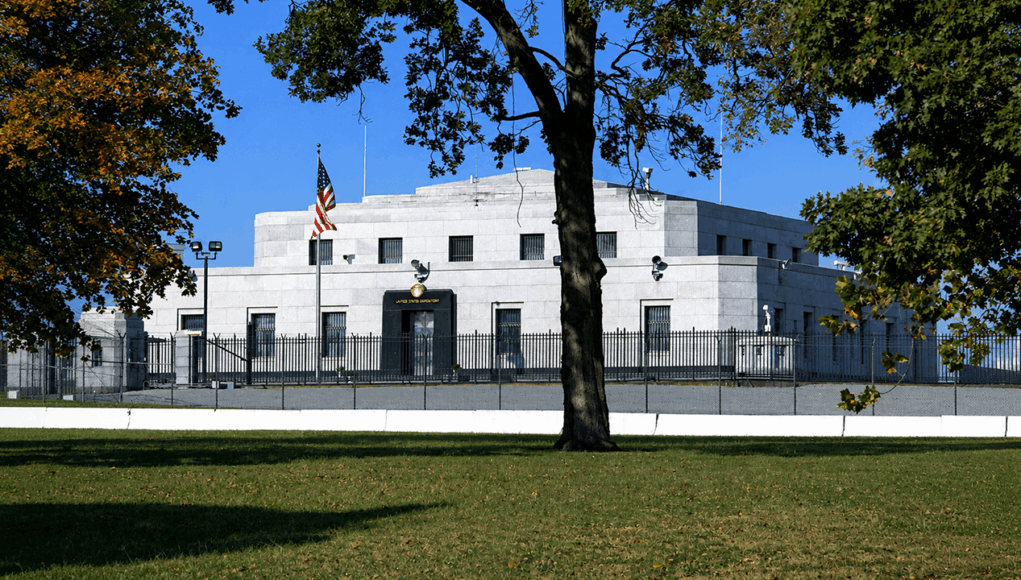
- Treasury Secretary Scott Bessent said all 147.3 million ounces at Fort Knox remain accounted for.
- Trump’s 24-karat coin remains stalled since March 2026, delaying a planned 250th anniversary release. Bessent stated on Wednesday that the coin is being minted.
- Rep. Thomas Massie compared Congress to Rome on July 14 over penny and nickel metal changes.
Bessent Breaks Down the Vault
Bessent commented during a Fox News interview, where he walked through the history of U.S. currency backing before turning to the current state of the country’s gold. He noted that the United States shifted to fiat currency in the 1970s, ending the requirement to hold gold or silver against outstanding paper certificates.
“I haven’t. People, my staff has,” Bessent told the host when asked whether he personally visited Fort Knox, the largest gold vault in the United States. He said the U.S. Treasurer has toured the facility and confirmed the holdings firsthand. Bessent continued:
“I am happy to say all gold is present and accounted for. The U.S. has the largest pile of gold in the world, over a trillion dollars, at current market value.”
The Fort Knox depository in Kentucky reportedly holds 147,341,858.382 fine troy ounces of gold, according to Treasury data from June 2026. That accounts for roughly 59% of the government’s total bullion reserves, with additional stockpiles said to be held at West Point, Denver, and the Federal Reserve Bank of New York. No gold has left Fort Knox in a documented capacity since 1974, aside from limited testing samples.
Book Value Collides With Market Reality
Here’s where the numbers get complicated. Federal law still values gold at $42.2222 per fine troy ounce, a rate frozen since 1973. That places Fort Knox‘s book value near $6.2 billion. At spot prices around $4,000 to $4,100 per ounce in mid-July 2026, the same gold carries a market value closer to $600 billion.
‘Trust Me Bro’ Doesn’t Cut It — Skeptics Demand Proof Beyond Bessent’s Word
In the past, Bessent has cited annual internal audits by the Treasury Department’s Office of the Inspector General as evidence that the reserves remain intact. Those reviews reconcile records and sample select vault compartments rather than physically weigh and assay every bar. The last large-scale public verification took place in 1974, when a congressional delegation and journalists toured the facility. A smaller 2017 visit included then-Treasury Secretary Steven Mnuchin and Kentucky lawmakers.
That gap has fueled skepticism among lawmakers and gold advocates. Rep. Thomas Massie, R-Ky., introduced the Gold Reserve Transparency Act, which would require the Government Accountability Office to conduct a full independent audit within nine months and repeat the process every five years. The bill has not advanced.
Trump’s Gold Coin Hits a Wall and Resurfaces
Bessent’s comments arrive alongside renewed attention to a Trump commemorative gold coin approved in March 2026 for the nation’s 250th anniversary. The design, cleared unanimously by the U.S. Commission of Fine Arts, features President Trump on the obverse and a bald eagle on the reverse. Bessent authorized the 24-karat coin under his statutory power over gold coinage, bypassing rules that generally bar living presidents from U.S. currency.
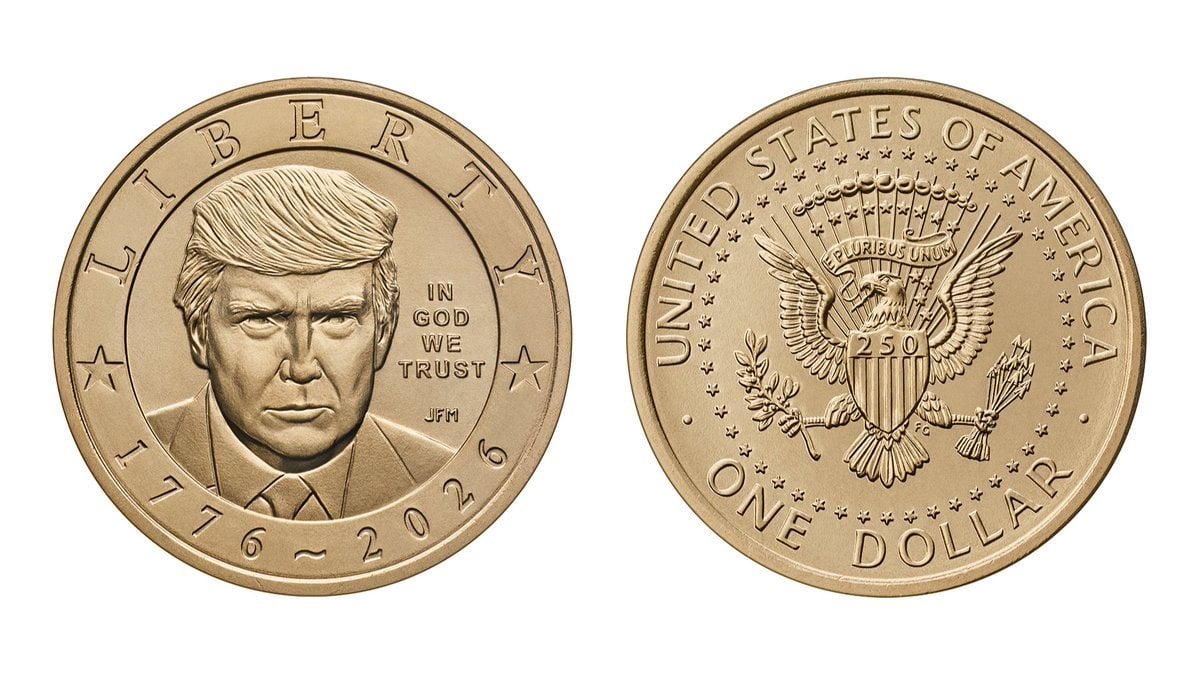
Production reportedly stalled. A May 2026 Mint filing placed the project in the design and consultation phase, with striking still six to eight weeks away once final approval clears. The coin was never officially scheduled for a July 4 release and is now expected sometime later in 2026 or into 2027 in a limited run. Eleven days after the 250th anniversary, Bessent wrote on X that the coin is still coming and shared an image of the coin.
The Treasury Secretary said:
“As America commemorates 250 years of independence, the U.S. Mint will begin striking this new $1 gold coin to honor the enduring legacy of liberty and a lasting symbol of patriotism. Featuring President Trump, it celebrates the strength of American values, and the promise of a nation dedicated to preserving freedom for all.”
Revaluation Talk Resurfaces, Then Gets Shut Down
Speculation has also grown around a possible revaluation of U.S. gold reserves, which would shift the government’s books from the frozen 1973 price to something closer to the market rate. Such a move could generate a one-time accounting gain topping $600 billion. Bessent addressed the idea directly when discussing sovereign wealth fund plans, calling gold revaluation “not what I had in mind.” Treasury data still reflects the statutory price, with no legislative action underway.
Massie Invokes Roman History to Attack Coin Changes
Massie raised a separate concern the day prior on July 14, linking Congress’s coin decisions to ancient Rome. He noted that Roman emperors debased currency by cutting precious metal content to fund military spending, then pointed to pending legislation eliminating the penny and allowing the Mint to produce nickels with cheaper metal.
The Republican U.S. Representative from Kentucky’s 4th congressional district further noted that the U.S. penny has been mostly zinc since 1982, and production has slowed as the cost to strike each coin exceeds its face value. Nickels, currently 75% copper and 25% nickel, cost more than 13 cents to produce. Bills, including the MINT Act of 2025, would let the Treasury Secretary approve cheaper alloys for the 5-cent coin while preserving its size, weight, and vending machine compatibility.
“To fund an overextended empire, Roman emperors debased their coins by diluting the precious metal content,” Massie wrote. The X post garnered more than half a million impressions and over 24,000 likes. Massie’s historical comparison holds up in broad terms, though modern pennies and nickels already contain no precious metal, making the shift a cost-cutting measure rather than the kind of currency dilution Rome practiced with silver coinage.
What Comes Next
For now, Bessent’s position on Fort Knox remains unchanged from statements he has made since early 2025. He has offered to arrange visits for interested senators but said he has no plans to travel to Kentucky himself. The debate over independent verification, the Trump coin’s release date, and coin metal composition is likely to continue as gold prices hold near record levels heading into the second half of 2026. Trump himself noted at the end of May that it was “time to physically audit Fort Knox.”
On the legislative side, the penny and nickel bills Massie referenced sit within a broader push to cut Mint production costs. The Treasury has said the current system loses money on both coins every year, the metal and labor costs exceed face value, a gap that lawmakers from both parties have cited when backing composition changes. Whether the House holds a vote this week, as Massie’s post indicated, remains to be confirmed through the chamber’s official schedule.