

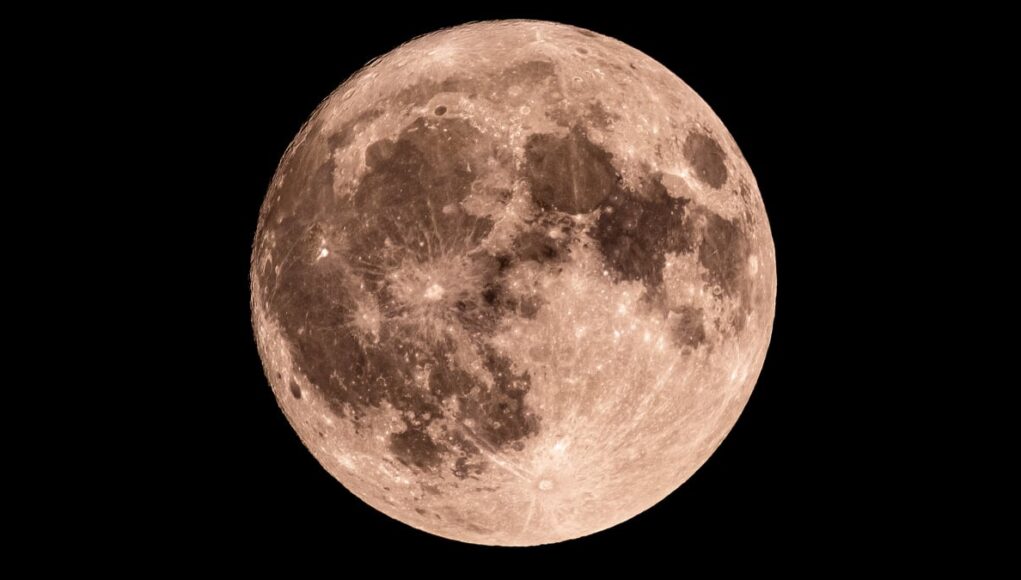
Wondering what you’re looking at on the Moon’s surface? Wonder no more, with the help of NASA’s Daily Moon Guide, we’ve broken down all the features you might be looking at when you look up tonight.
What is today’s Moon phase?
As of Sunday, July 19, NASA’s Daily Moon Guide tracker tells us the Moon phase is in Waxing Crescent phase, with 29% of its surface visible.
You won’t need any visual aids to be able to spot the Mares Crisium and Fecunditatis. However, if you do have binoculars or a telescope, you’ll also be able to see the Endymion Crater.
When is the next Full Moon?
The next Full Moon will take place on July 29.
What are Moon phases?
The Moon completes one full cycle around Earth in about 29.5 days, moving through eight different phases along the way, NASA explains. Although the same side of the Moon always faces our planet, the amount of sunlight reflecting off its surface changes as it travels around Earth. This changing angle of illumination is what makes the Moon appear to transform throughout the month, from a thin crescent to a half-lit Moon and eventually a fully illuminated Full Moon, before starting the cycle again.
New Moon – The Moon is between Earth and the sun, so the side we see is dark (in other words, it’s invisible to the eye).
Mashable Light Speed
Waxing Crescent – A small sliver of light appears on the right side (Northern Hemisphere).
First Quarter – Half of the Moon is lit on the right side. It looks like a half-Moon.
Waxing Gibbous – More than half is lit up, but it’s not quite full yet.
Full Moon – The whole face of the Moon is illuminated and fully visible.
Waning Gibbous – The Moon starts losing light on the right side. (Northern Hemisphere)
Third Quarter (or Last Quarter) – Another half-Moon, but now the left side is lit.
Waning Crescent – A thin sliver of light remains on the left side before going dark again.