

A big screen, powerful camera system, and top-notch performance can eat right into your battery life, but Xiaomi has managed to pack a 6,000-mAh battery into the 17 Ultra (up from 5,410 mAh last year). The jump gives it serious stamina, and this phone can go a couple of days between charges.
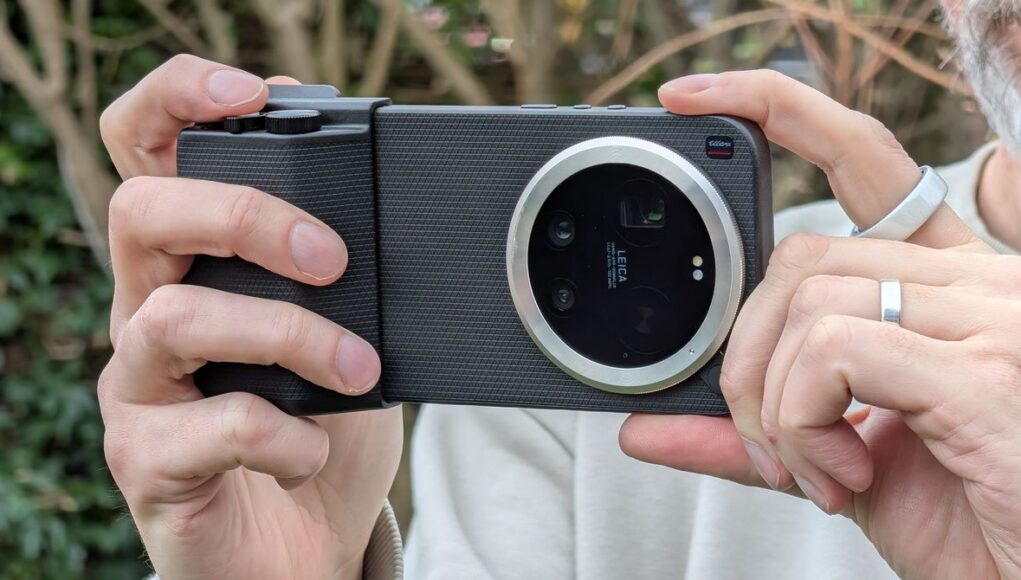
I wish Xiaomi had found a way to include Qi2, as magnetic wireless charging is the one thing I missed in switching from the Pixel 10 Pro XL (though you can sort of add it with the photography kit case). The 17 Ultra does support wireless charging at an impressively fast 50-watt rate, but the camera module makes it awkward to use with some wireless chargers. Wired charging goes up to 90 watts with the right adapter (not included).
Software used to be the big caveat, but I didn’t find much to complain about with the 17 Ultra. Xiaomi’s HyperOS apes iOS in places, and I still don’t like the unlabeled quick-settings icons, but it’s mostly perfectly fine. The Leica interface, with minimalist app icons and photography widgets, is much nicer than the slightly cartoonish HyperOS, but it’s very easy to customize. I don’t think bloatware has any place on a flagship phone, so I’m always annoyed to see apps like Facebook and TikTok preinstalled.
There’s plenty of AI onboard, if you care, and you can use Google’s Gemini or Xiaomi’s HyperAI for all sorts of photo and video editing, transcription, translation, summarization, and more. It’s not quite as slick and elegant as Google’s Pixel, but you can broadly achieve all the same results.
The Xiaomi 17 Ultra is not officially available in the US, but you can pick it up for £1,299 in the UK (1,499 euros in Europe). The Leitzphone costs £1,799 (1,999 euros). For folks who can get their hands on the global model more easily, it’s a near-flawless flagship contender that will satisfy anyone craving a big, powerful, photography-first phone.