
Key Takeaways
- Bitcoin slid below $77,000 on Thursday following the U.S. Bureau of Labor Statistics’ PPI release.
- Bitstamp data show a drop to $76,651 as crypto derivative liquidations peaked at $562 million.
- Polymarket odds for a 25-basis-point Fed rate hike jumped to 63% ahead of the upcoming CPI report.
PPI Surprise Sparks Sell-Off
Bitcoin’s price slid below $77,000 Thursday after the U.S. Bureau of Labor Statistics released data showing a 0.4% monthly increase in the U.S. Producer Price Index. Though largely expected, the marginal jump in the PPI still sent global markets tumbling as investors received what was potentially the first of two confirmations that the Federal Reserve will not lower interest rates at its next meeting.
Bitstamp data shows bitcoin dropped to a daily low of $76,651 shortly after the BLS confirmed what the market anticipated: higher U.S. inflation ahead. Before the release, bitcoin had been consolidating between $78,000 and $79,000.
Although it later reclaimed $77,000, bitcoin was still in the red, having slid more than 2.5% in 24 hours while its market capitalization dipped to $1.55 trillion. Ten days into September, bitcoin’s price had made no upward progress, raising the possibility that it will close the month flat unless another macroeconomic headline reignites a rally.
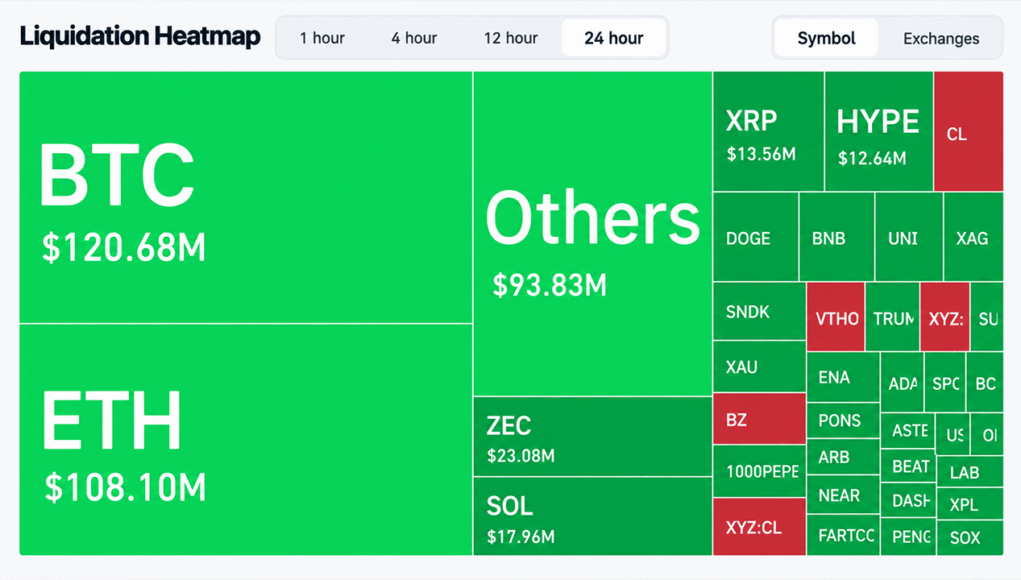
On the derivatives front, the cryptocurrency’s sharp drop following the PPI release resulted in nearly $74 million in long liquidations in four hours. This pushed 24-hour long liquidations to $112 million, compared to $8 million in shorts. Overall, liquidations across the market peaked at $562 million, with long positions accounting for approximately $484 million.
Meanwhile, immediately following the release, Polymarket and Kalshi bettors placed the odds of a 25-basis-point rate hike at 63%, a 9-percentage-point jump, while the CME FedWatch tool showed 67%. Economists, in the meantime, expect the consumer price index (CPI) report to show the annual rate of inflation slowed to 3.3% in August from 3.4% in July. On a monthly basis, however, they expect consumer prices to rise 0.4% after a 0.1% increase in July.
The sharp drop in crypto markets reflects a broader macro rift between bond investors and Washington. The U.S. Treasury’s attempt to cap long-term yields by tripling buyback operations to $6 billion fell flat, with the bond market swiftly rejecting the intervention.
Benchmark 10-year U.S. Treasury yields surged past 4.90%, a 95-basis-point increase since the start of the conflict with Iran, adding another 10 basis points following the Treasury’s explicit buyback expansion. Analysts argue that this dynamic illustrates the futility of trying to manage yields through buybacks when underlying macroeconomic drivers, such as elevated Brent crude oil prices and record issuance volumes, demand a higher term premium.
With the 10-year yield now approaching the 5.00% threshold, borrowing costs for both the U.S. government and everyday American consumers will only surge. Furthermore, mortgage rates have spiked in lockstep, effectively freezing residential real estate transactions. According to a Kobeissi Letter post on X, the apparent fight between the U.S. Treasury and the bond market is setting up a “highly eventful Q4.”